
I’ve been working hard to understand language since I started writing for children. And while I ‘studied English’ in school, the focus was teaching you to communicate, not on how language can make you feel.
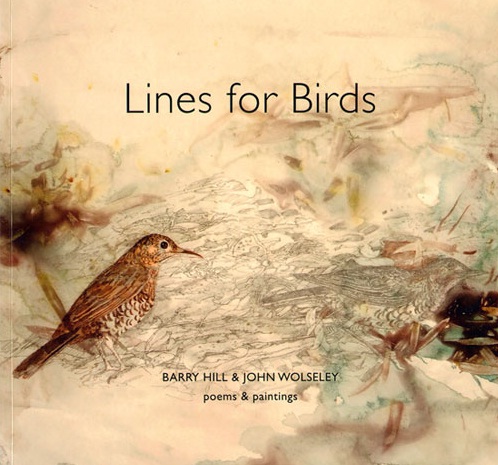
I was browsing a bookshop in Alice Springs on a recent trip to Central Australia when I came across this book – Lines for Birds by Barry Hill and John Wolseley. I picked it up in-store to have a browse, and there was something inside me that wouldn’t let me walk away without purchasing it. Here’s just sample of one of the poems that made my heart dance a little when I read it.
Painted Finch
Yes, and the painter did this –
touching the throat up crimson
blood-spotting the tail.That dusty khaki coat
protecting its quivering back
ever ready for bivouac.In the bunker of spinifex –
chunky-beak stamina
a salt and pepper attack.Its breast, its belly
is porous with white dots
speckled with fragility.Pecking life, pecking death.
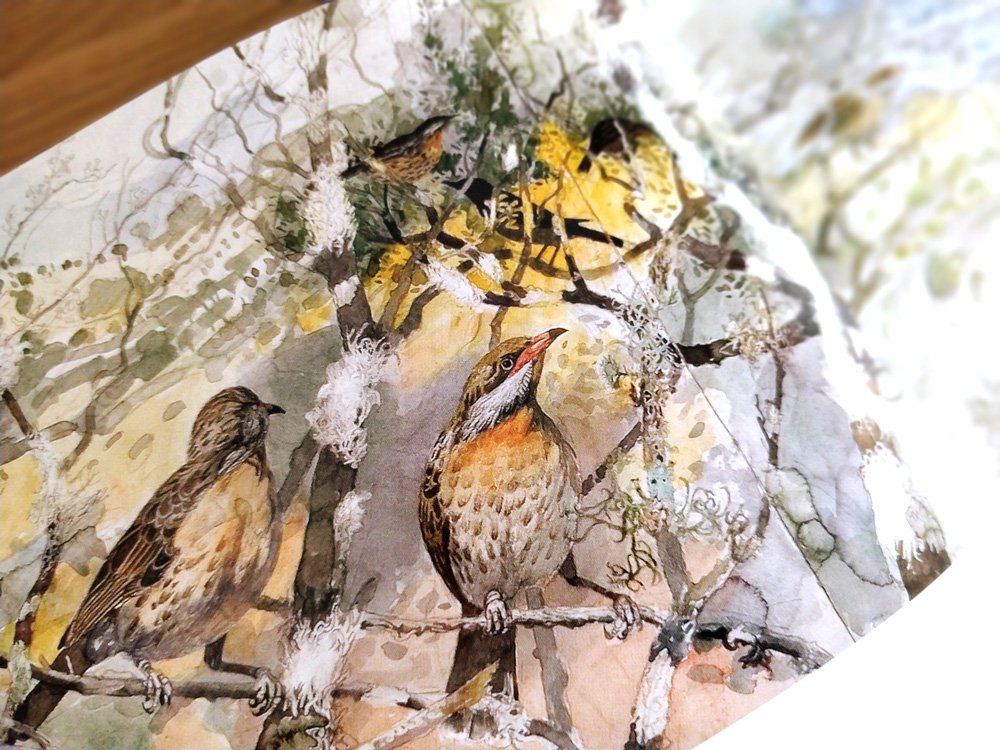
It’s a gorgeous book in every sense. Two accomplished artists set off on a journey from the Victorian Mallee to the forest of South East Asia. They spent time with one another and captured birds in their chosen art form. Hill uses words and Wolseley uses pictures. Both are masters of their craft.
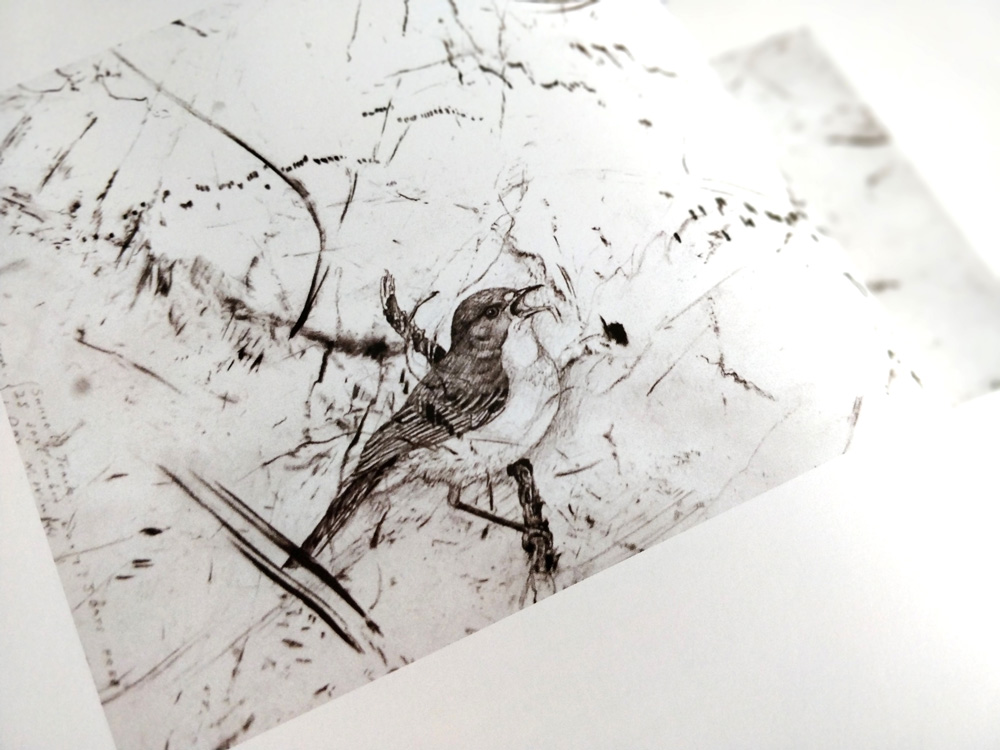
Like most poetry books, this isn’t one to read from cover to cover in a sitting or two. It occupies a convenient place in our home so when the mood strikes, I can leaf through to a random page and simply enjoy feeling language.
Geese on the wing
Never quite ready to take off: too heavy.
Their masks too thick, or plastic wrapped.And then, even when aloft
the yellow feet hang out of a cooking pot.The effort to climb up, above
their cloddy sounds, is mammoth.Their flight paths break apart
are silhouettes in a wreckage – no musicto speak of: it’s so slow
disorder akin to flood.
The book has 6 sections, each is a unique habitat. In Scrub Land we see and hear Zebra Finch and Bush Curlew. In Forest, we witness a stunning Olive-backed Oriole Eating Pawpaw. This painting by Wolseley was the catalyst for the book. It began when Hill responded to the painting in Wolseley’s 2001 exhibition, Tracing the Wallace Line.
As I’m new to poetry, it’s odd for me to pick up a poetry book in-store and simply know that it’s for me. But maybe that’s sort of the point, especially with poetry. It’s beyond reason, like when you hear a song that ‘just grabs you’.
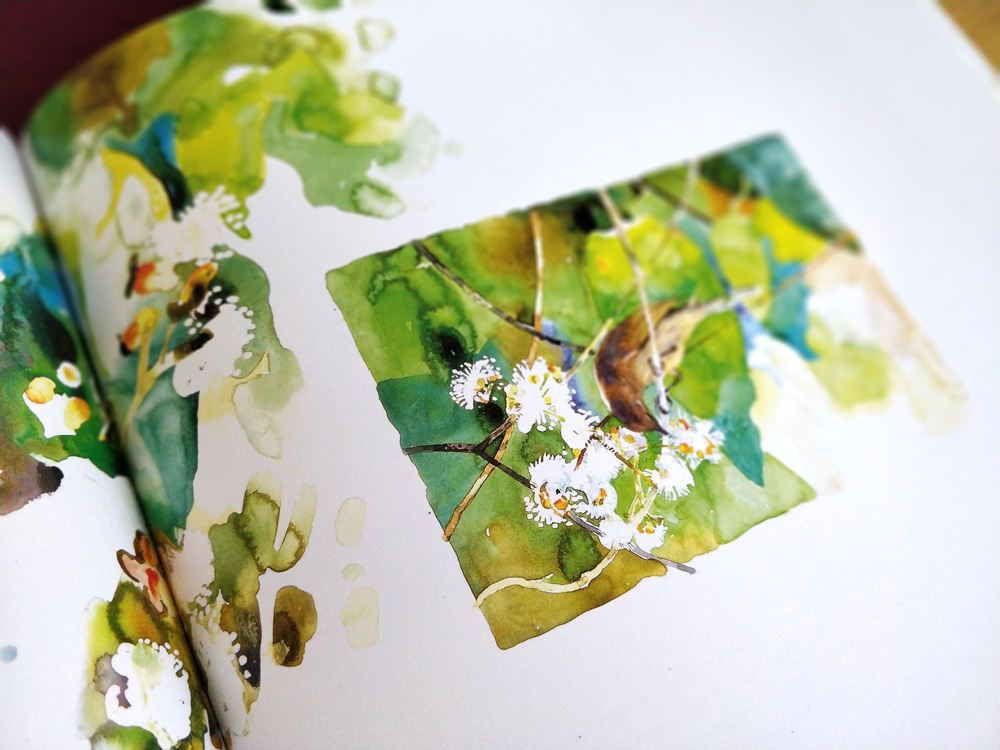
I’ve got a keen interest in birds which, given the subject matter, probably helped my decision. I’m still dipping in and out of this book almost a year later. I feel like I’ve only just begun to sense the depth that these two artists are able to reach as they collaborate with each other in this way. I’ll be posting some favourite snippets here and sending out some updates to new finds in my newsletter in the coming year. But don’t let that stop you picking up a copy for yourself. If you or someone you know likes language, birds, or visual art, I’m not sure they couldn’t enjoy this at some level.